
Stress Leave Work: A Complete UK Guide
Posted by Robin on 18 Nov, 2025 in
Stress leave is a medically recognised time off work that an employee takes to recover from severe, work-related stress, anxiety, or burnout. It isn't a holiday. Think of it as an essential break when the pressures of the job become too much to handle, mentally or physically, and require a doctor's sign-off—what we call a 'fit note' in the UK.
Your Guide to Understanding Stress Leave
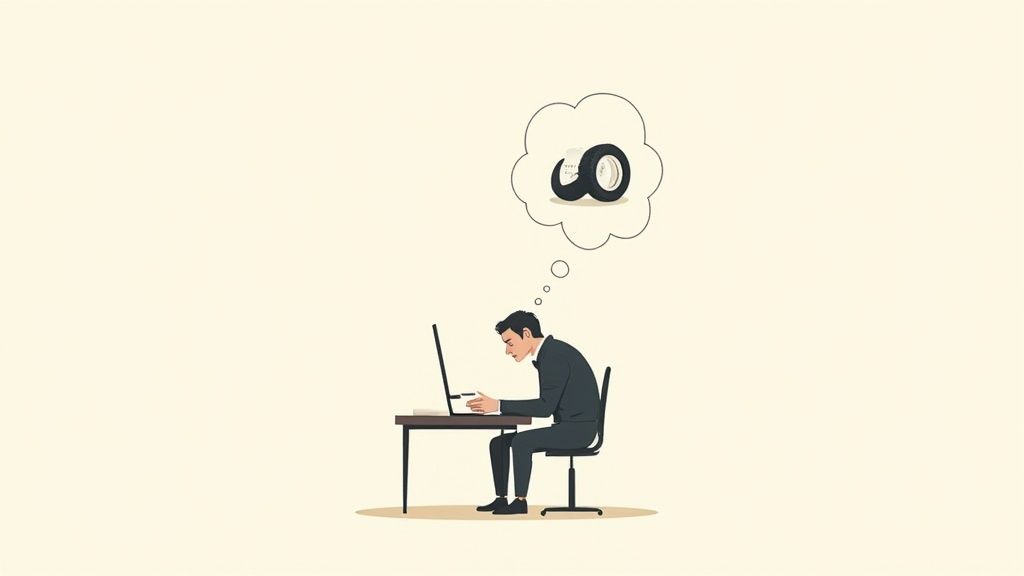
Imagine chronic workplace stress as a slow puncture in a car tyre. At first, you might manage by just adding more air each day. But if you ignore the real problem, you’re eventually going to have a complete breakdown on the motorway. That’s where stress leave comes in—it’s the crucial repair time you need to get back on the road safely.
This period of absence is specifically designed to help you recover when your job's demands lead to serious mental and emotional exhaustion. It’s a formal process, treated as sick leave, and is completely separate from your annual leave. Getting your head around how it works is the first step toward looking after your health without putting your career at risk.
Key Concepts to Know
To navigate stress leave properly, you need to grasp a few core ideas that shape the process for both employees and employers. These concepts lay the groundwork for a supportive and legally sound way of managing mental health at work.
Here’s what you need to know:
- Medical Recognition: Stress leave isn't self-certified. It has to be signed off by a GP who issues a fit note, confirming that you are genuinely not well enough to work because of stress.
- Employer's Duty of Care: UK employers have a legal obligation to protect the health, safety, and welfare of their staff. This absolutely includes taking steps to manage and mitigate workplace stress.
- Confidentiality: Your health details are private. You don't have to disclose the specifics of your condition to your employer beyond what's on the fit note.
- Return-to-Work Plan: A successful period of leave usually ends with a structured plan to ease you back into work. This might involve a phased return, adjusted duties, or different hours for a while.
Taking time off for stress isn't a sign of weakness; it's an act of self-preservation. Realising you need a break is the first, most important step in preventing long-term burnout and making sure you can return to work healthy, focused, and ready to contribute.
While this guide covers the UK perspective, mental wellbeing at work is a global concern. For a different viewpoint, you might find this a practical guide to stress leave in New Zealand useful. Seeing how it's handled elsewhere can help clarify the core principles that protect employees everywhere.
The Hidden Costs of Workplace Stress
Workplace stress isn't just a personal struggle; it’s a massive financial drain on businesses and the wider UK economy. When left unchecked, the pressure on employees creates ripples that go far beyond an individual's wellbeing, hitting productivity, morale, and ultimately, the bottom line. Getting to grips with these hidden costs is a must for any employer considering how to handle stress leave work.
These financial impacts aren't just vague concepts. The numbers paint a pretty stark picture. Poor mental health costs UK employers a staggering £56 billion every single year. This isn't one big number, either. It breaks down into £28 billion from presenteeism, £22 billion from staff turnover, and £6 billion from absenteeism. It shows just how deep the problem runs. You can learn more about these workplace mental health statistics to see the full picture.
Presenteeism The Silent Productivity Killer
The most damaging cost of workplace stress is presenteeism. This is what happens when employees are physically at their desks but are mentally and emotionally checked out because of stress or burnout. They're "present," but they're not really there.
Picture a software developer staring blankly at their screen, completely stuck on a problem that would normally take them minutes. Or a customer service agent who just doesn't have the emotional energy to offer any real help. This kind of lost productivity is much harder to spot than a straightforward sick day, but its financial impact is far, far greater. In fact, it accounts for the biggest slice of that £56 billion pie.
The True Cost of Absenteeism
While presenteeism is the bigger beast, absenteeism—employees taking days off—is the most obvious symptom of a stressed-out workforce. When an employee is on stress leave, their work doesn't just vanish into thin air.
Think about the domino effect:
- Lost Output: The absent employee's work simply isn't getting done, which can lead to project delays and missed deadlines.
- Team Strain: Colleagues have to pick up the slack, which ramps up their own stress levels and puts them at risk of burnout too.
- Management Time: Managers end up spending precious time reorganising workloads and dealing with the admin of the absence.
- Replacement Costs: If you need to bring in temporary cover, you're suddenly facing direct hiring and training costs.
Stress, depression, and anxiety are now the number one reason for sickness absence in the UK, responsible for a huge 28% of all sick days taken. This isn't a minor headache; it's a critical business challenge that needs a proactive, supportive approach, not a reactive one.
Ignoring the root causes of stress is like putting a plaster on a leaky pipe. Sooner or later, the pressure will build, and the damage will be far more widespread and costly to fix. Properly addressing the need for stress leave from work isn't just an act of compassion—it’s a smart business strategy for the long-term health and stability of your company.
Recognising the Signs You Need a Break

It’s remarkably easy to brush off persistent exhaustion as just ‘a tough week at the office’. The line between normal work pressure and genuine burnout, though, is often much finer than we think.
Learning to spot the warning signs isn’t about weakness. It’s about listening to your body and mind before they hit a breaking point, signalling that it might be time to think about stress leave work.
These signals rarely appear all at once. They tend to build up slowly across different parts of your life, which makes them easy to ignore until the combined effect becomes completely overwhelming. By organising these symptoms into distinct categories, you can build a practical self-assessment toolkit to see the bigger picture.
The Mental Load
This is often the first place the cracks begin to show. It’s that constant, invisible weight you carry long after you’ve logged off for the day.
- Constant Worry: You find yourself replaying work conversations or fretting about tomorrow’s to-do list, even during your personal time.
- Brain Fog: Concentrating on tasks that used to be second nature feels like wading through mud. Making even simple decisions becomes a monumental effort.
- Feeling Detached: You feel emotionally numb or disconnected from your work and colleagues, losing the sense of purpose you once had.
The Physical Toll
Your body keeps score. Eventually, it starts sending out physical distress signals when the pressure gets too much. These aches and pains aren't just in your head; they are real physiological responses to prolonged mental strain.
Chronic stress can show up in very real physical ways. Unexplained headaches, persistent stomach issues, and a deep-seated fatigue that no amount of sleep can fix are common signs that your body is struggling to cope.
Ignoring these physical symptoms is a common mistake. You might blame a tension headache on dehydration or poor posture, but if it becomes a daily occurrence alongside other signs, it’s a massive red flag. Developing strategies for overcoming burnout in the workplace can help you manage these symptoms before they get worse.
Behavioural Shifts
Perhaps the most telling signs are the changes in how you act. These shifts are often noticed by friends, family, or colleagues before you even recognise them in yourself.
Think about these changes:
- Uncharacteristic Irritability: You have a much shorter fuse than usual, snapping at colleagues or loved ones over minor issues.
- Social Avoidance: You start skipping team lunches or after-work drinks because the very thought of interacting with people feels draining.
- A Drop in Quality: Your work, once a source of pride, is now riddled with careless mistakes, and you find yourself missing deadlines.
Self-Assessment Checklist for Work-Related Stress
Sometimes, seeing the signs laid out clearly can help you connect the dots. This checklist is a simple tool to help you reflect on your own experiences with common symptoms of severe stress and burnout.
| Symptom Category | Common Signs to Look For | Personal Check (Yes/No) |
|---|---|---|
| Mental & Emotional | Difficulty concentrating, constant worry, feeling overwhelmed, cynicism or negativity about your job, loss of motivation. | |
| Physical | Frequent headaches, muscle pain, stomach problems, changes in appetite or sleep patterns, extreme fatigue. | |
| Behavioural | Increased irritability, withdrawing from social situations, procrastination, increased use of caffeine or alcohol. |
Take a moment to honestly assess how you're feeling. This isn't a medical diagnosis, but if you're ticking 'Yes' to several of these points, it’s a strong indicator that you need to take action.
Recognising these patterns is the crucial first step. If this self-assessment resonates with you, it may be time to speak with your GP and start exploring your options.
How to Navigate Taking Stress Leave
Deciding to take time off for stress can feel like a huge, intimidating step. I get it. But breaking it down into a clear, manageable process helps you approach the situation with confidence and focus on what truly matters: your health. The whole journey really just starts with one crucial action.
Your first and most important port of call is your GP. They can properly assess your symptoms, provide a professional medical opinion, and issue a ‘fit note’ (what we used to call a sick note). This official document is what you’ll need to formally request stress leave from your employer.
Your Step-by-Step Guide
Once you’ve spoken to your GP, you can start on the practical steps of arranging your leave. Following a structured process will help reduce any anxiety and ensure you communicate what you need effectively and professionally.
- Understand Your Company's Sickness Policy: Before you do anything else, dig out your company handbook or check the HR portal. You need to know the specific procedure for reporting an absence, who to tell, and what your contractual sick pay entitlements are.
- Prepare for the Conversation: You'll need to speak with your manager or HR. It’s a good idea to plan what you want to say beforehand. You don’t have to share intimate details about your health, but you should be ready to state that you've been medically advised to take time off.
- Communicate Professionally: Let your manager know as soon as you can, making sure to follow the company’s process. You can keep it simple: "Following medical advice, I need to take a period of sick leave starting from [date]. I have a fit note from my GP which I will forward to you."
It’s so important to remember you are not alone in this. Work-related stress, depression, and anxiety are now the main reasons for workplace absence in the UK. A staggering 17.1 million working days were lost in 2023/24 because of these mental health issues. Each person affected took an average of 21.1 days off. You can explore the full statistics about days lost to workplace stress on the HSE website.
Phrasing and Practical Tips
Knowing how to phrase your request can make the conversation feel much smoother. The goal is to be clear, concise, and professional, which helps set a calm tone from the start.
Here are a few tips to keep in mind:
- Keep it Factual: Just stick to the facts. "My GP has signed me off work for two weeks due to stress." This is clear and doesn't require any further explanation.
- Set Communication Boundaries: If you feel up to it, agree on how and when you’ll be contacted. For example, "I'd appreciate it if we could check in via email once a week, as I need this time to disconnect and recover."
- Focus on Recovery: Frame the leave as a necessary step for your long-term wellbeing and your eventual return to being a productive team member.
Taking this step is about putting your health first. By approaching the process methodically, you transform what feels like an overwhelming task into a series of clear, actionable steps that put you back in control.
Properly documenting and managing absences is also crucial from your employer's side. For a deeper understanding of their perspective, check out our comprehensive guide to managing absence at work. This will give you some insight into the processes they need to follow, which can help you feel more prepared.
Your Legal Rights and Employer Obligations
When you're dealing with work-related stress, the last thing you want to do is trawl through legal documents. But understanding your legal standing is your most powerful tool. UK employment law provides a safety net designed to protect you during this vulnerable time, and knowing your rights ensures you’re treated fairly through the entire process of taking stress leave work.
At the very heart of this protection is your employer's ‘duty of care’. This isn't just a friendly suggestion; it's a legal requirement under the Health and Safety at Work Act 1974. It means your employer must take reasonable steps to ensure your health, safety, and welfare at work. And yes, that absolutely includes protecting you from stress.
This infographic lays out the simple, first steps you can take to address workplace stress.
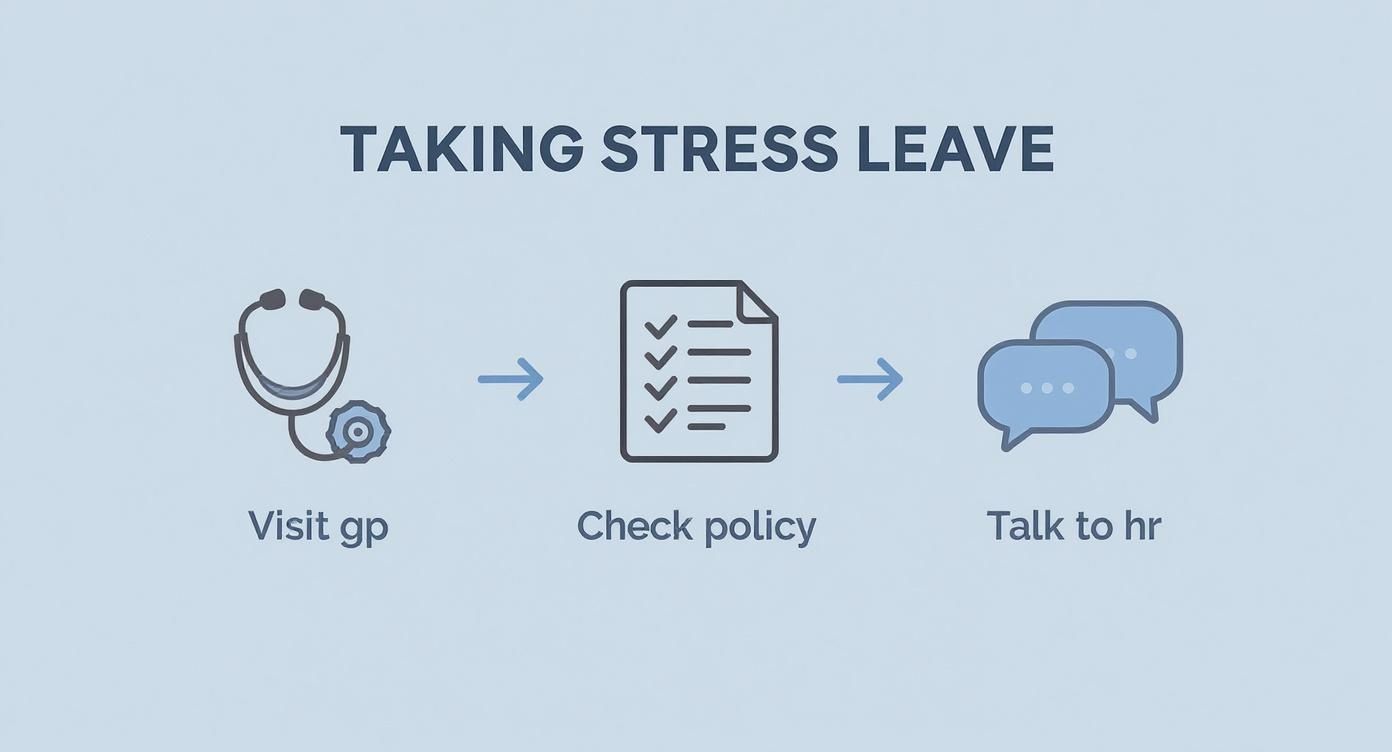
As you can see, the process usually kicks off with getting medical validation from your GP. From there, you can dig into your company's rules and then open up a conversation with HR. Following this flow helps you take methodical, empowered steps.
Protections Under UK Law
Going beyond the general duty of care, a few key pieces of legislation and specific rights come into play when you take time off for stress. It's worth getting familiar with them.
- The Equality Act 2010: If your stress is severe and has a long-term impact on your daily life (lasting or expected to last 12 months or more), it could be considered a disability under this act. This gives you significant protection from discrimination and means your employer has a legal duty to make reasonable adjustments for you.
- Protection from Unfair Dismissal: You can't be lawfully dismissed simply for taking medically certified stress leave. Your employer must follow a fair and supportive process, not show you the door because you’re unwell.
- Right to Confidentiality: Your health is a private matter. Your employer has to handle your information with care and can't share details about your condition without your consent.
Your employer's legal responsibility isn't just about preventing harm; it's about actively supporting your wellbeing. This includes assessing workplace stress risks and taking action to mitigate them, just as they would for any physical hazard.
Understanding Sick Pay
Worrying about money is the last thing you need when you're unwell. Your pay during stress leave is usually governed by two potential sources.
First, there's Statutory Sick Pay (SSP). This is the legal minimum your employer has to pay you if you meet the eligibility criteria. Think of it as the basic financial safety net during your absence.
However, many companies offer contractual sick pay, which is often much more generous than SSP. You'll find the details in your employment contract or company handbook. It’s always worth checking your documents to understand your full entitlement, as this can make a huge difference to your financial peace of mind while you recover.
Finally, your employer is also obligated to support your return to work. This should involve a collaborative discussion about implementing reasonable adjustments, like a phased return, temporarily modified duties, or flexible hours. This partnership is essential for making sure your return is sustainable and successful in the long run.
How to Plan for a Successful Return to Work

Taking time off for stress is just the first part of the journey. The real test of long-term wellbeing is a successful return to work, making sure your leave becomes a positive turning point, not just a temporary break.
Simply diving back into your old routine without a clear plan can be a recipe for relapse. A lasting re-entry needs a thoughtful, collaborative strategy that you, your manager, and HR develop together. Think of this plan as a bridge, guiding you back into your role safely and effectively.
The goal isn't just to return; it's to create a healthier way forward and avoid stepping back into the same environment that led to burnout in the first place.
Building Your Return-to-Work Plan
A well-structured plan is your best defence against feeling overwhelmed when you come back. It should be built around a gradual reintegration and open communication, always putting your health first.
The core components should include:
- A Phased Return: Instead of jumping straight back into a 40-hour week, why not start with reduced hours or fewer days? You can gradually increase your schedule over several weeks to ease yourself back in.
- Temporary Adjustment of Duties: It often helps to initially reduce your workload or focus on less demanding tasks. This approach lowers the pressure right away and helps you rebuild your confidence and stamina.
- Scheduled Check-ins: Arrange regular, informal catch-ups with your manager. These meetings are crucial for tracking your progress, talking through any challenges, and tweaking your plan as you go.
For a deeper dive, you can learn more about how to manage a phased return to work in our dedicated guide. It’s a great resource to help you structure the conversation with your employer.
Your return-to-work plan is a living document. It should be flexible enough to adapt to how you're feeling, ensuring your recovery remains the top priority throughout the process.
This process is especially vital when you consider the generational differences in workplace stress. Recent data shows that a staggering 35% of UK workers aged 18-24 needed time off for stress-related poor mental health last year. In contrast, only 10% of workers aged 55+ reported the same, highlighting a real need for tailored support systems.
Setting Boundaries for a Sustainable Return
Coming back from stress leave work is the perfect opportunity to hit the reset button on your professional boundaries. This step is absolutely essential to prevent a repeat of the circumstances that led to your absence.
Communicate your needs clearly and respectfully. This might mean protecting your lunch break, logging off at a set time each day, or being a bit more selective about the projects you take on.
To make sure your return is sustainable, it's a good idea to integrate some proven stress management techniques at work. By proactively managing your workload and protecting your personal time, you empower yourself to maintain a healthier work-life balance for good.
Your Questions About Stress Leave, Answered
Even when you know the steps, the thought of actually taking stress leave work can bring up a lot of worries. It's completely normal to have questions. Let's tackle some of the most common ones head-on to give you a bit more confidence.
Can I Be Fired for Taking Stress Leave from Work?
In short, no. You can’t be lawfully dismissed just for taking medically-approved stress leave. If an employer fires you for being signed off sick by your GP, they would almost certainly be facing a claim for unfair dismissal. It’s just not on.
There’s another layer of protection, too. If your work-related stress is severe and has a lasting impact on your day-to-day life, it might be considered a disability under the Equality Act 2010. This means your employer has a legal duty to make reasonable adjustments to support you, and dismissal should only ever be a last resort after everything else has been tried.
How Much Will I Get Paid During Stress Leave?
What you’ll get paid boils down to two things: your legal rights and what your company offers.
As a bare minimum, you may be entitled to Statutory Sick Pay (SSP), which is the government-mandated safety net. The good news is that many employers offer their own, more generous contractual sick pay as part of their employee benefits.
Your employment contract or company handbook is the go-to document here. It will spell out exactly what you’re entitled to, so you can stop worrying about money and start focusing on getting better.
Will My Boss Be Allowed to Contact Me While I Am Off?
Yes, your employer is allowed to make reasonable contact. This isn’t about hassling you; it’s usually to check in on how you're doing, talk about your fit note, or start thinking about your eventual return to work.
The key word here is reasonable. The contact shouldn't be excessive, intrusive, or add to your stress. A great way to handle this is to agree on how and when you'll communicate before your leave starts—maybe a simple weekly email? Setting these boundaries early on helps make sure everyone is on the same page.
Do I Have to Tell My Employer the Exact Reason?
You absolutely do not have to share the intimate details of your mental health with your employer. A doctor's fit note stating you are 'unfit for work' due to 'work-related stress' or something similar is all that’s needed.
Your employer’s main job is to support your absence and plan for your return, not to probe into your personal health. Your privacy is protected, and you only need to share what's professionally necessary to get the support you need.
Managing any kind of leave properly brings fairness and clarity to everyone involved. Leavetrack makes this easy by swapping messy spreadsheets for a straightforward, central system. It tracks all types of absence, making sure policies are followed and keeping everyone in the loop. Learn how Leavetrack can bring transparency to your absence management.